Roshan Packages Limited July Newsletter
From a surprise Mango party to sponsoring our first-ever television show, find out what we’ve been up to in July:
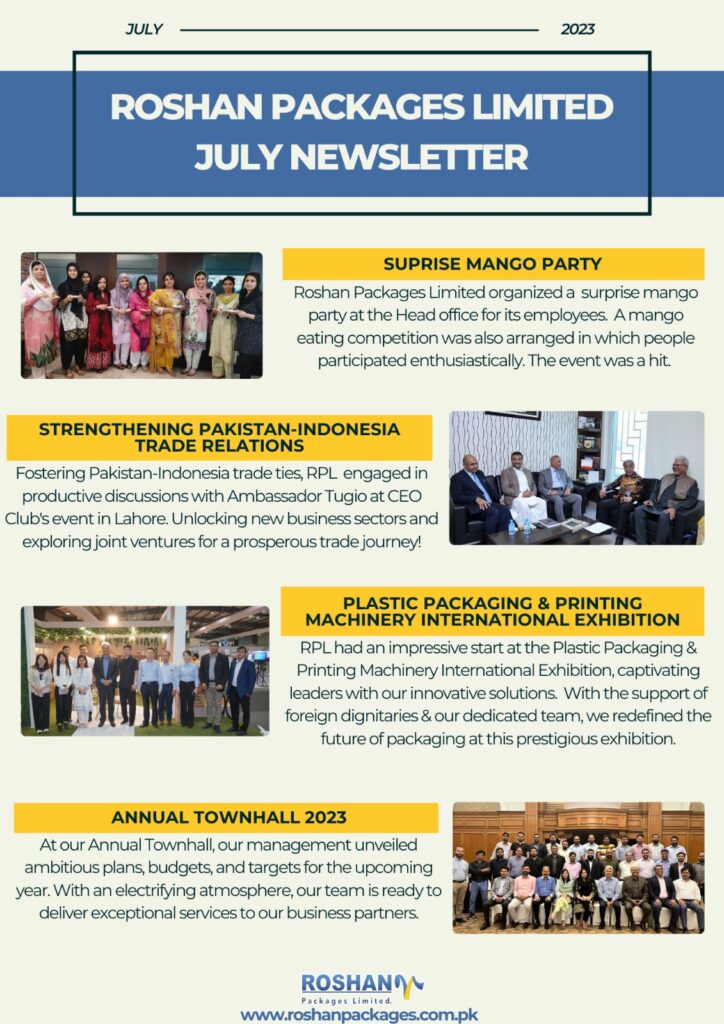
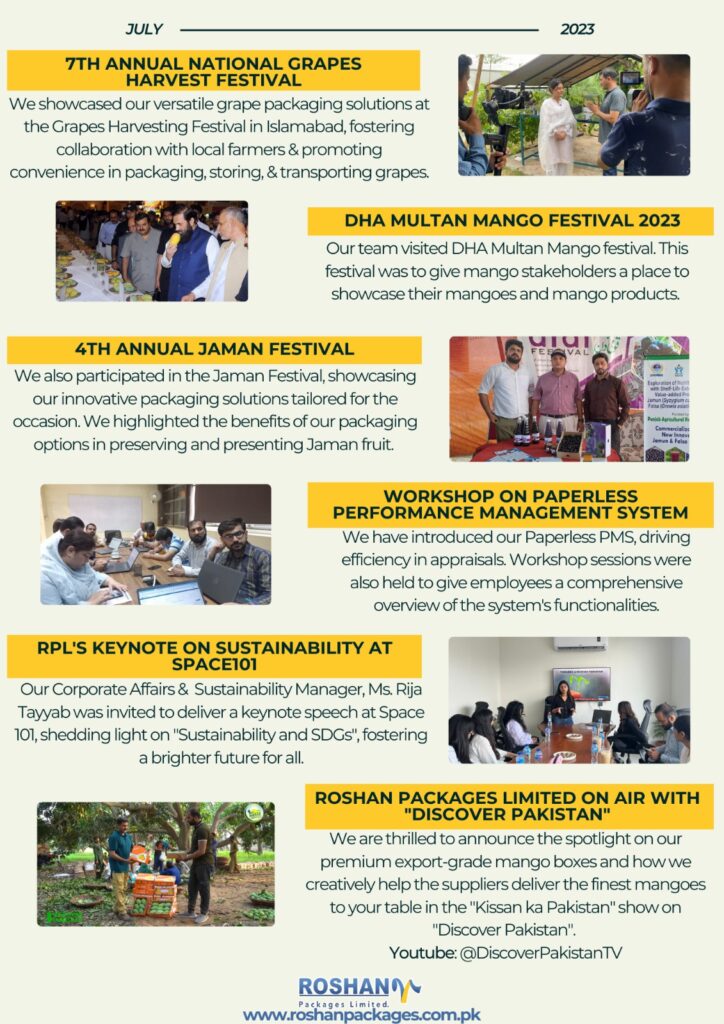



From a surprise Mango party to sponsoring our first-ever television show, find out what we’ve been up to in July:
Find our June Newsletter encompassing key events and activities at Roshan Packages Limited.
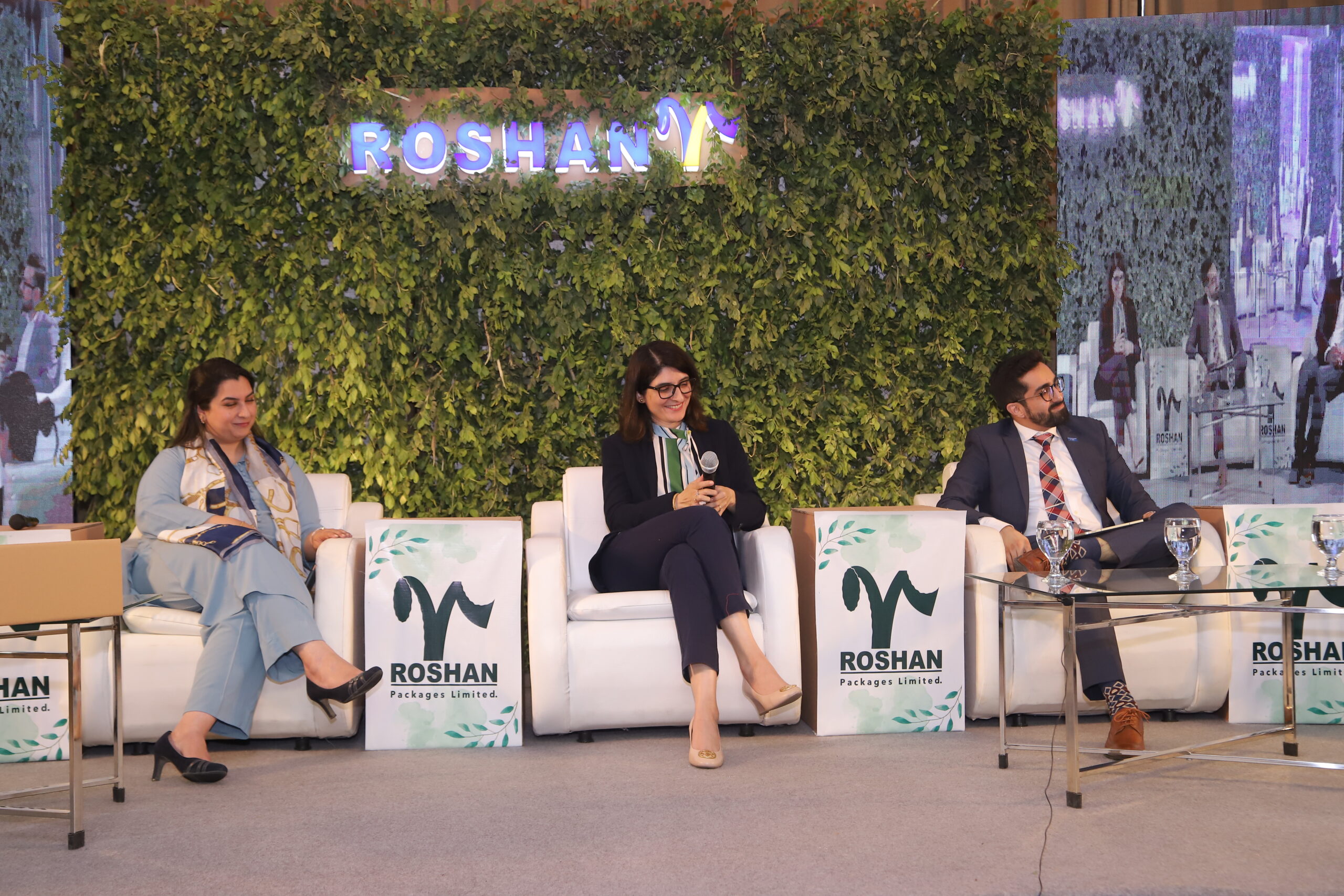
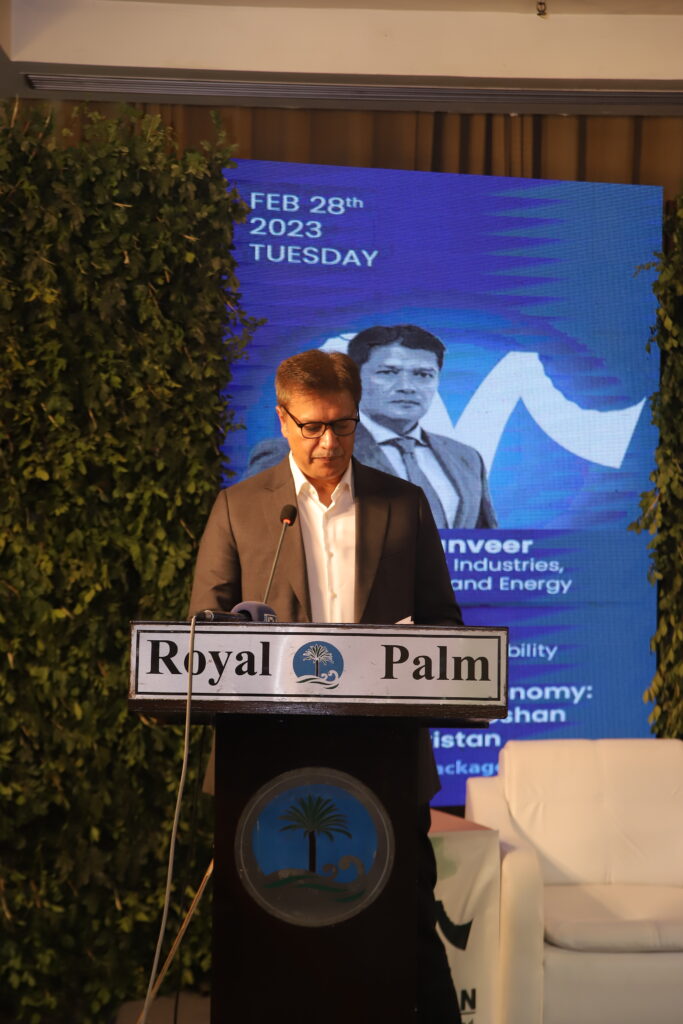
Every spring, Lahore experiences a brief period of refreshing weather. This year, a novel gathering of professionals took place during this period. 28th of February 2023 marked the day Roshan Packages Limited held its Annual Sustainability Conference at the beautiful Royal Palm Golf and Country Club.
Roshan Packages Limited or RPL is a one-of-a-kind business in the region. Based on the principles of ethical functionality, it has stood apart for its commitment to protecting the local environment meanwhile operating on high business performance. Unlike most local businesses which damage water, land, and air with their non-compliant practices, RPL has rather set precedent in the opposite direction. Its low carbon footprint, minimal waste generation, and renewable resource consumption have minimal to negligible negative impacts on the local environment.
RPL’s 2023 Sustainability Conference was themed ‘The Circular Economy: Towards a Roshan Pakistan’. Circular economy, a concept by British economist, David Pearce, has evolved and gained huge recognition around the world since its conception in the 1980s. Its ‘cradle to cradle’ model is now acknowledged as the better alternative to the conventional and linear ‘take-make-waste’ model. Linear practices have been a significant contributor to climate change as environmental consideration for doing business is overlooked.
The conference comprised three main panel discussions that were chaired by senior industrial experts, aspiring entrepreneurs, and local government officials. The Chief guests for the event were Mr. S M Tanveer, Minister for Industries, Commerce, and Energy, and Mr. Kashif Anwar, President of the Lahore Chamber of Commerce. The attendees included representatives from different companies, media personnel, esteemed educationists, and aspiring students.
The event kicked off with an opening note from the CEO of Roshan Packages, Mr. Tayyab Aijaz Qureshi, he walked the audience through the history and vision of the Roshan group. He also emphasized the need for all stakeholders to synergize efforts for sustainable practices in the economic sector. Mr. S M Tanveer, Minister for Industries, Commerce, and Energy, then addressed the audience. He spoke at length about the severity of climate change’s impact on Pakistan and the need for the country to shift towards sustainability. Mr. Kashif Anwar also addressed the audience and emphasized the importance of bringing the needed change for the national interest.
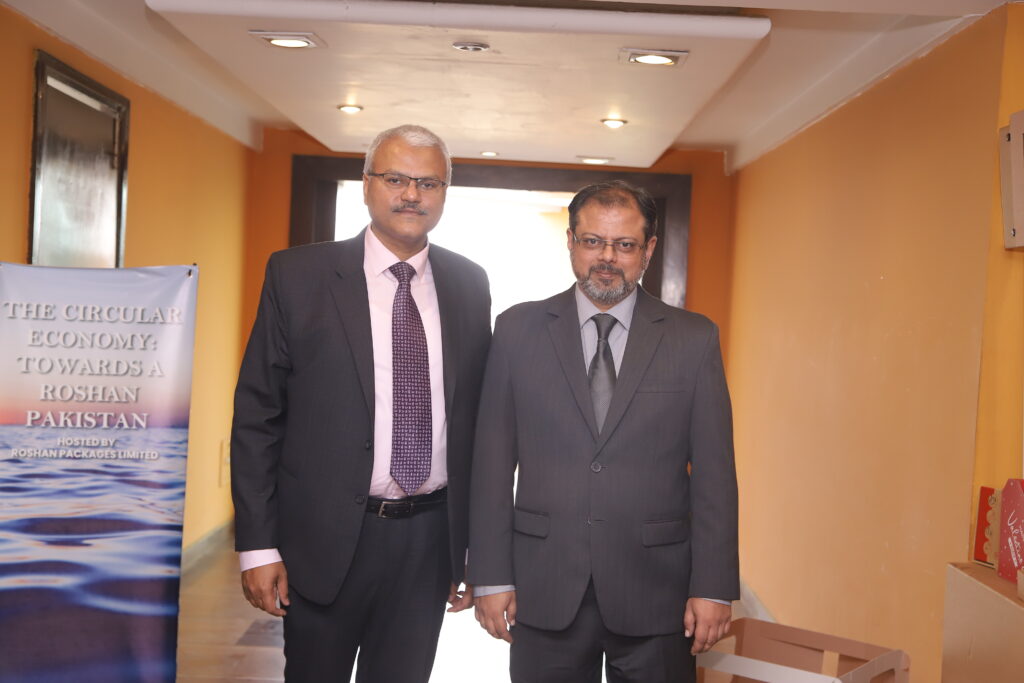
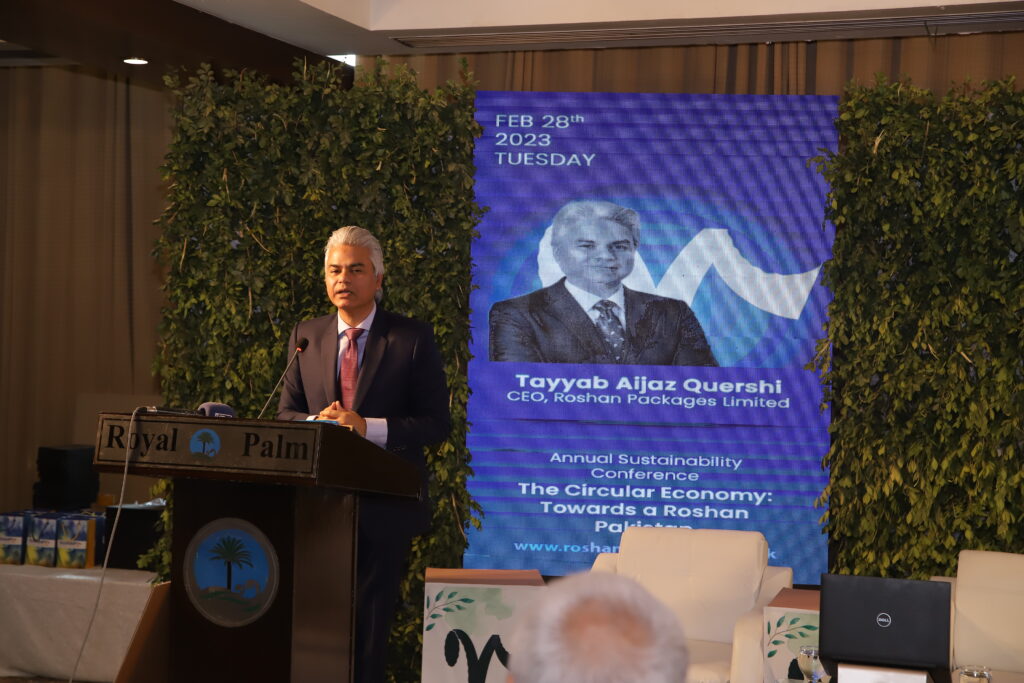
The First panel’s discussion centered around the circular economy and the role of multinational companies in Pakistan. This robust panel explored the accomplishments and challenges of global and local circular economic initiatives. The panel strongly agreed that renewable and recyclable resources need to be fully incorporated as packaging materials to address packaging pollution. The panelists included; Mr. Jawwad Imtiaz Ahmed, Sustainability Manager, PepsiCo; Aatekah Mir Khan, Senior Manager, Public Affairs and Sustainability Nestle Pakistan; Ms. Amina Khalid, Corporate Affairs Manager McDonalds Pakistan, Murad Akram, Legal Director at Coca-Cola CCI, Hammad Haider, Senior Manager of Corporate Affairs at METRO Pakistan and Babar Nizami, CEO Pakistan Today, Publishing Editor Profit.
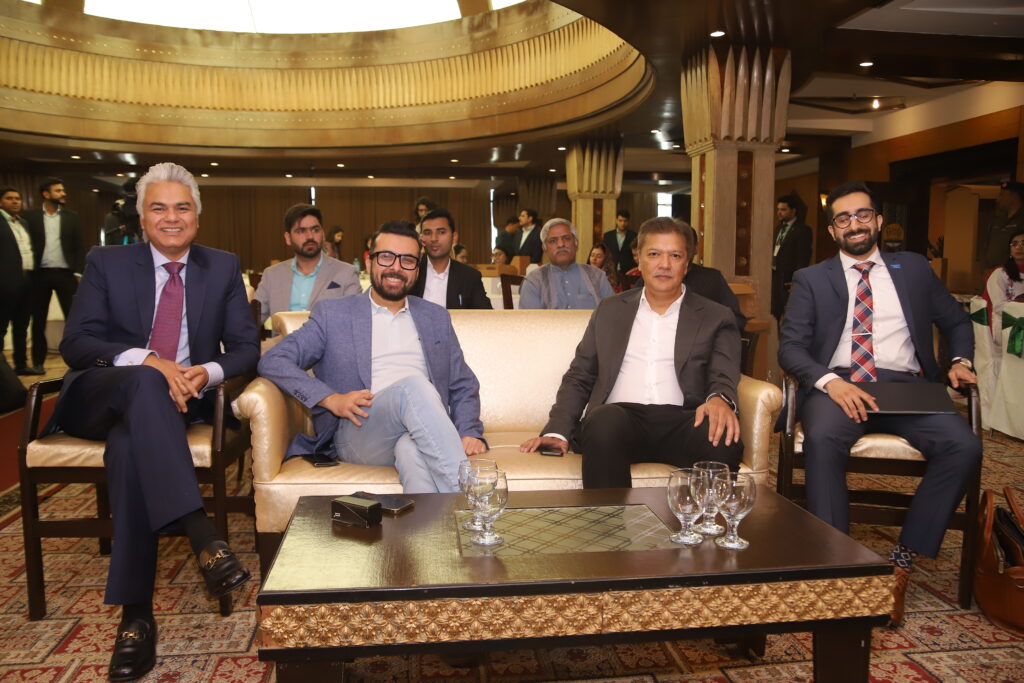
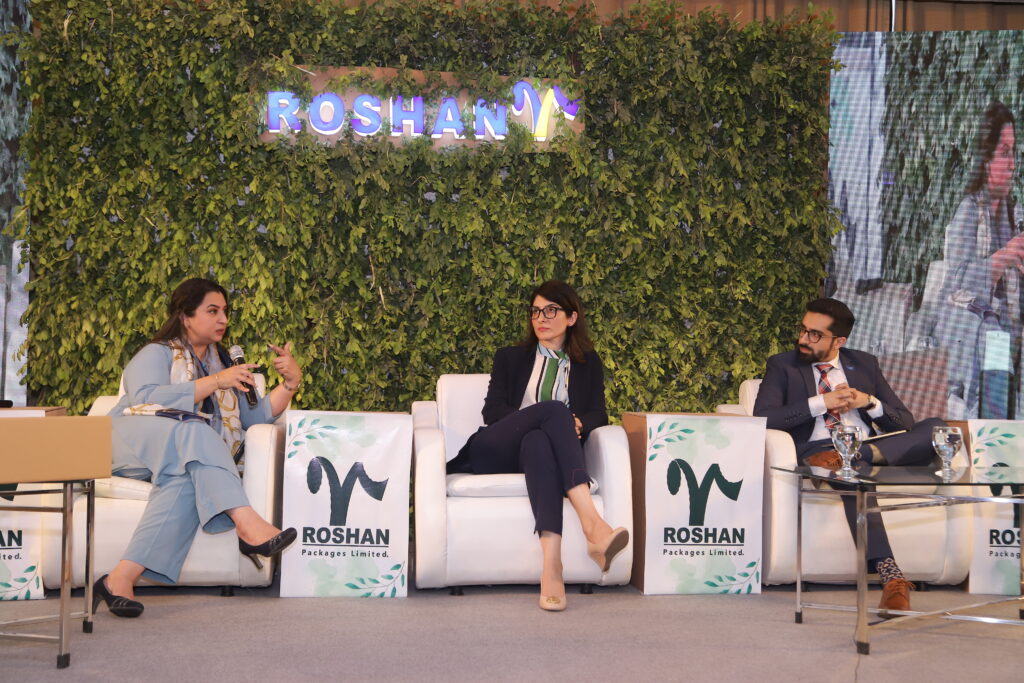
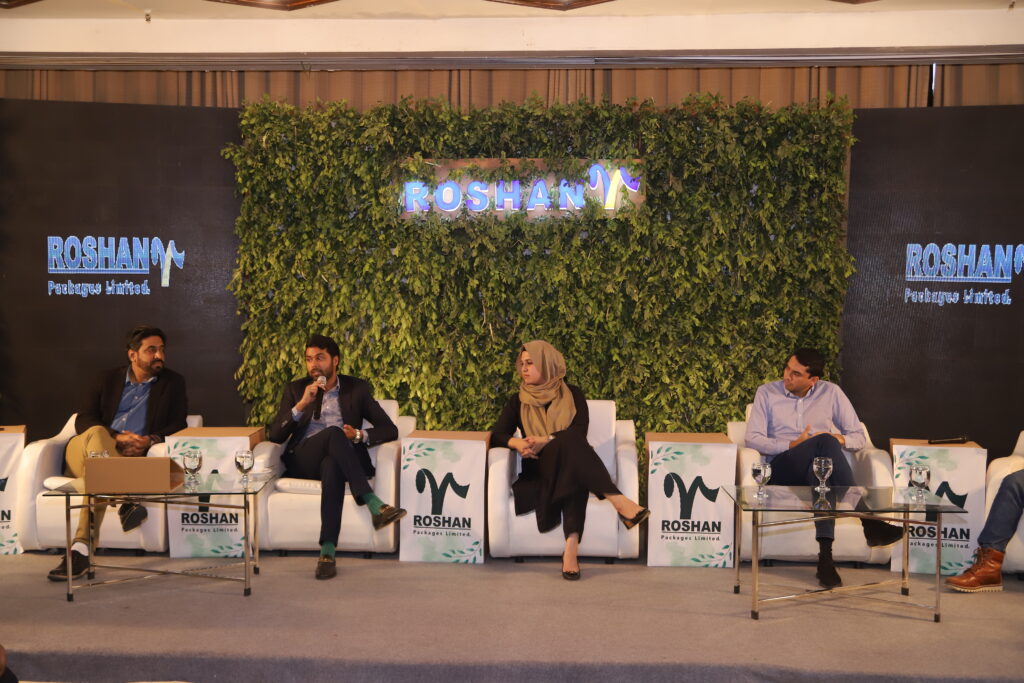
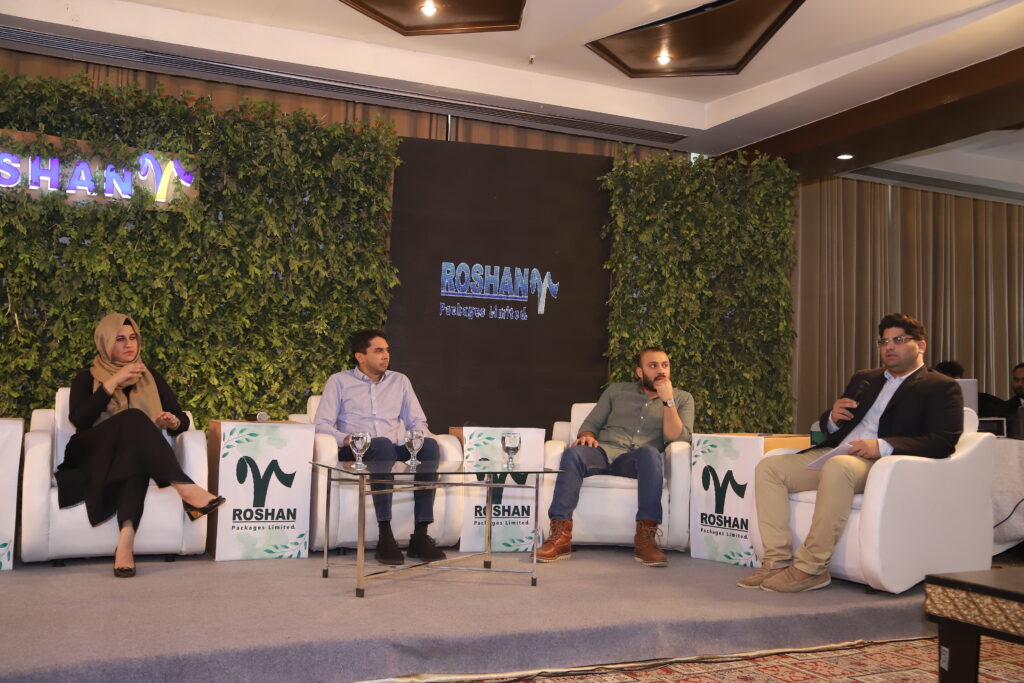
The second-panel discussion was themed on innovations in a green economy. This insightful discussion included panelists Mr.Shayan Sohail Sarwar, Chief Operating Officer at PakVitae (Pvt) Lt; Ms. Sana Nauman Chaudry, Chief Executive Officer and Founder, of BreathIO; Mr. Saif Hasan, Director, Lulusar; Mr. Muteeb Siddiqi, CEO at the Vertical; Abid Ameen, Head of Operations and SC Beverages at PepsiCo and Ali Syed, Founder Ouroboros. Some of the key ideas that came up included the high success rate of start-ups leading environmental change, nationally and internally, and the need for prioritizing sustainability to become more resilient to climate change.
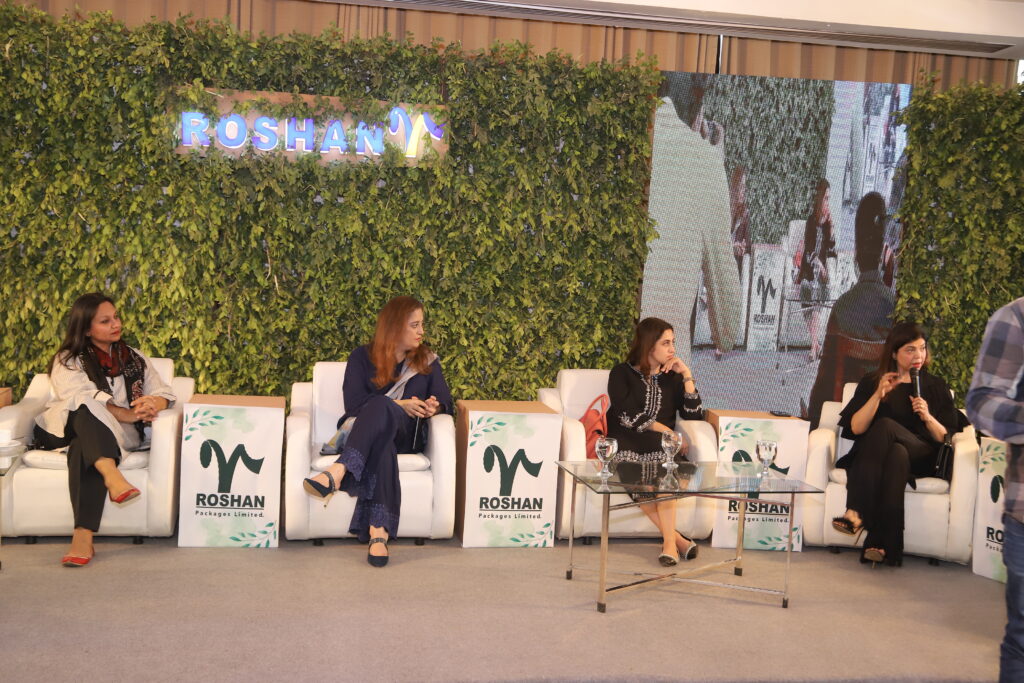
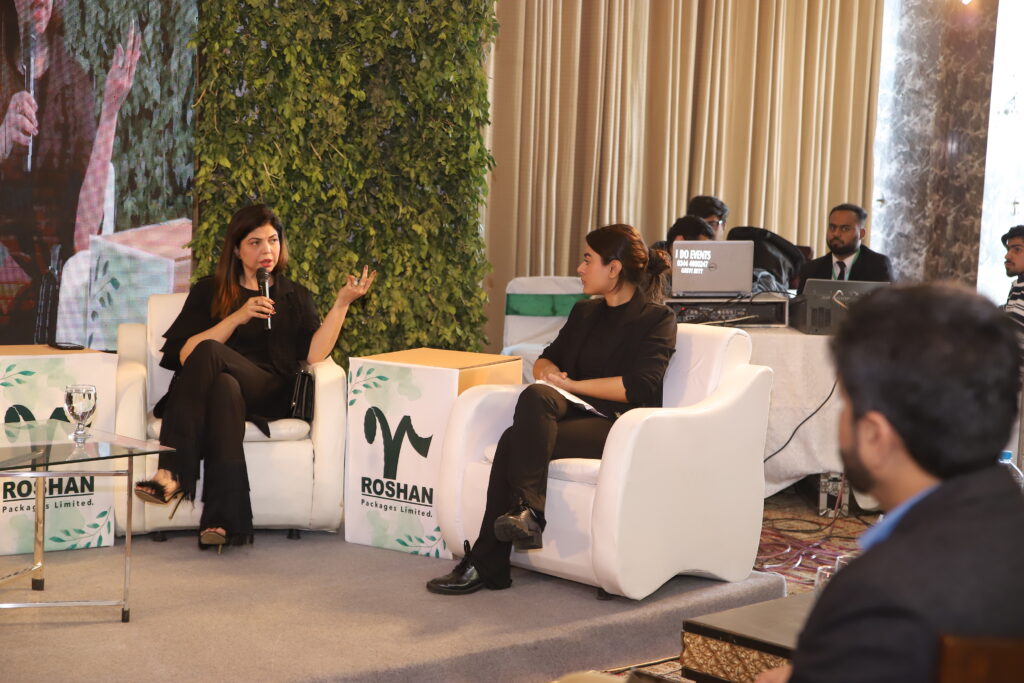
The last panel discussion was themed circular economy and women: the opportunities and challenges in Pakistan. Valuable insights surfaced on how the journey of a more equitable economy in Pakistan can become a reality. This discussion included Ms. Sam Ali Dada, Co-founder, of Women Business Network and Former President of Women Chamber Lahore; Ms. Sabahat Bokhari, Head of Diversity & Inclusion, Jazz; Ms. Wajeeha Mohsin, HR Director, ServicePath Canada; Ms. Zillay Mariam, Managing Director ISP Environmental Solutions and Rija Tayyab, Marketing Manager Roshan Packages Limited.
Pakistan is one of the most vulnerable countries to climate change. It has and will continue to wreak havoc on mass scales. The sensible way forward is to prepare ourselves to withstand the impacts. Gatherings like that of Roshan Packages’ sustainability conference contribute significantly to exploring practical solutions for environmental readiness. As the conference stressed, the key contributor to bringing the needed change is prioritizing sustainability among institutions and consumers alike. Prioritization and adopting sustainable practices like circularity can bring about a resilient Pakistan.
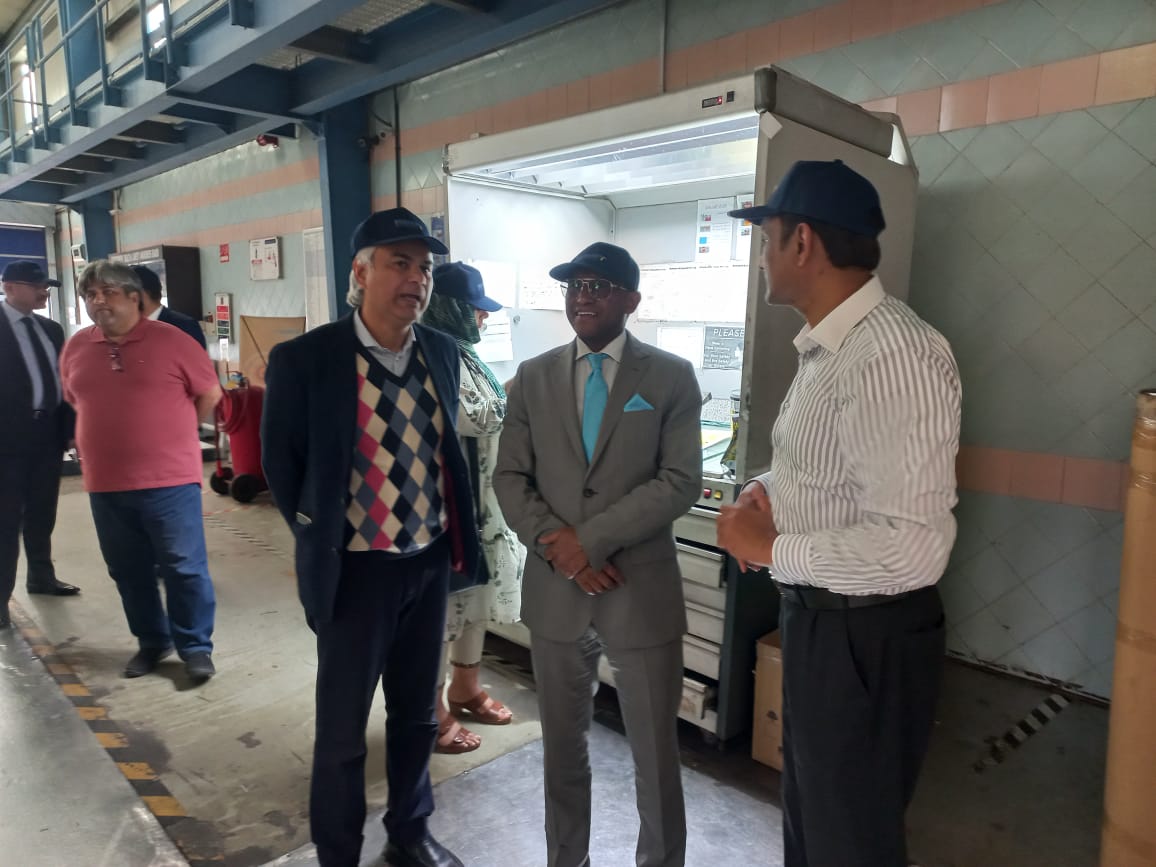
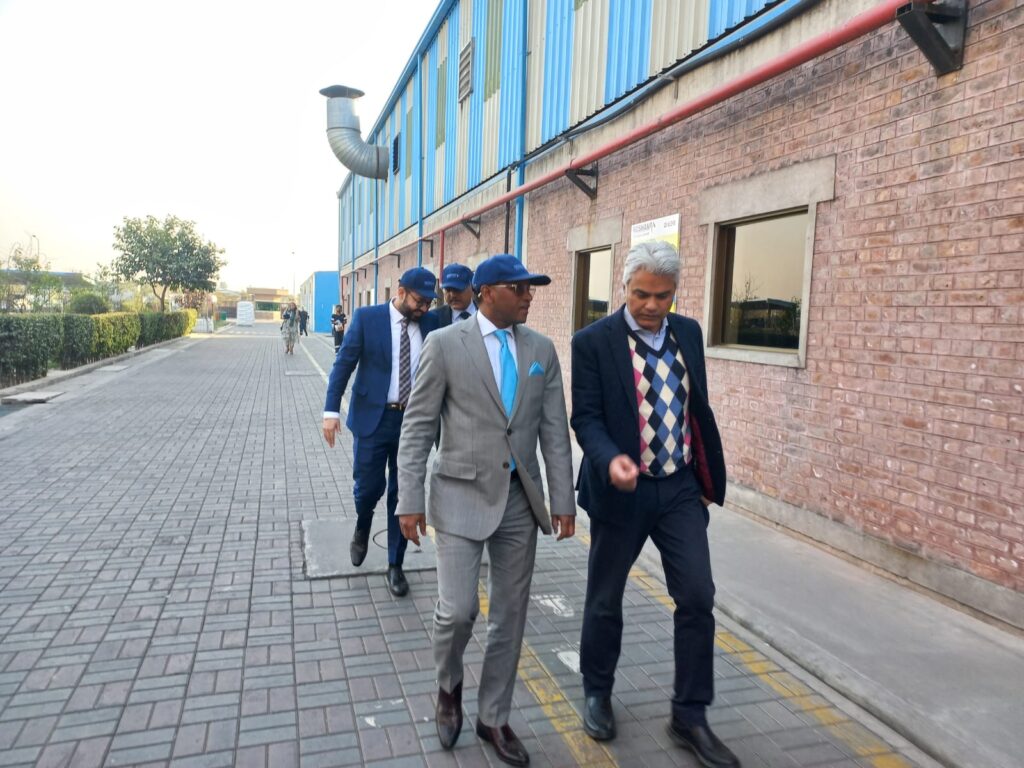
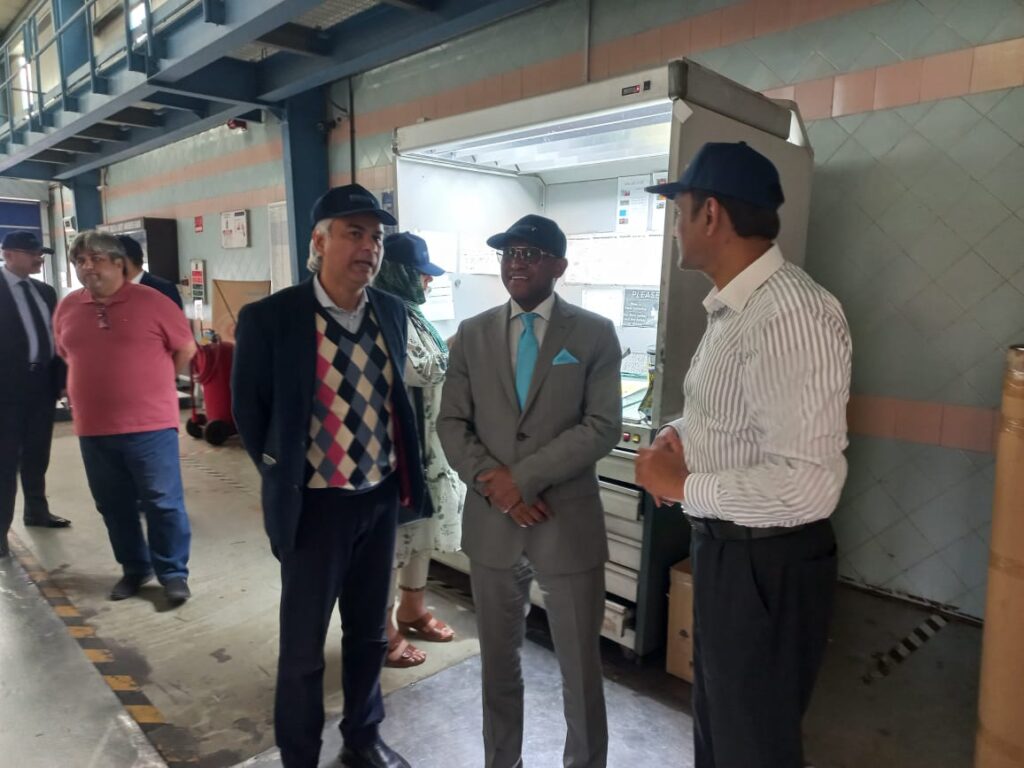
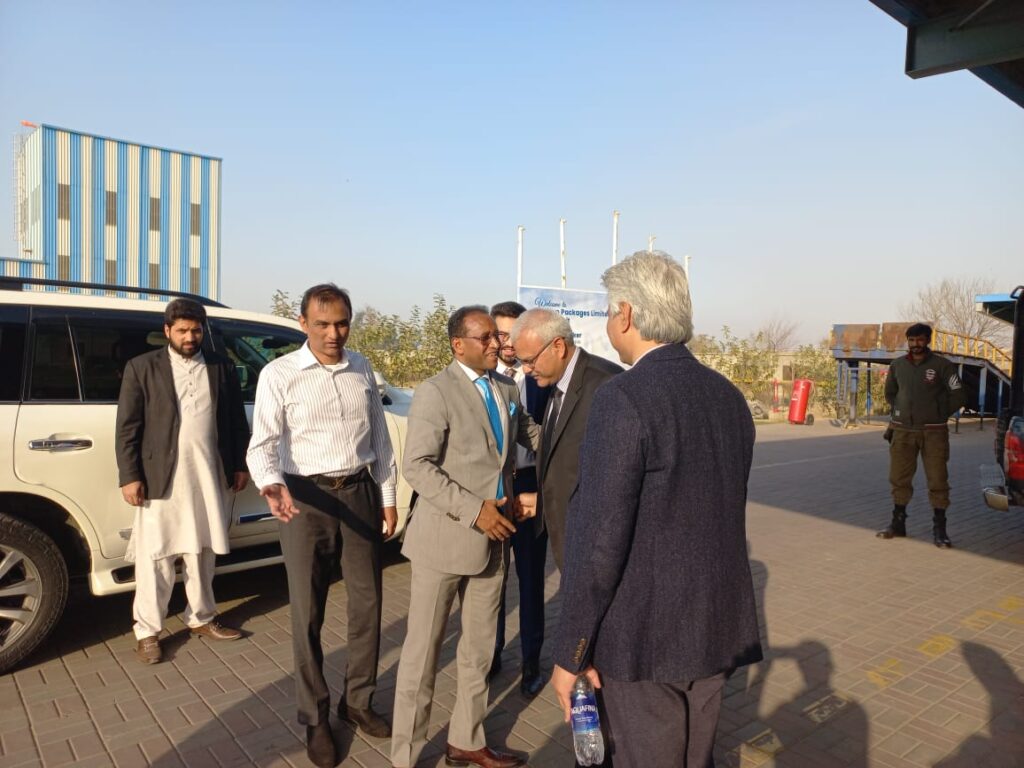
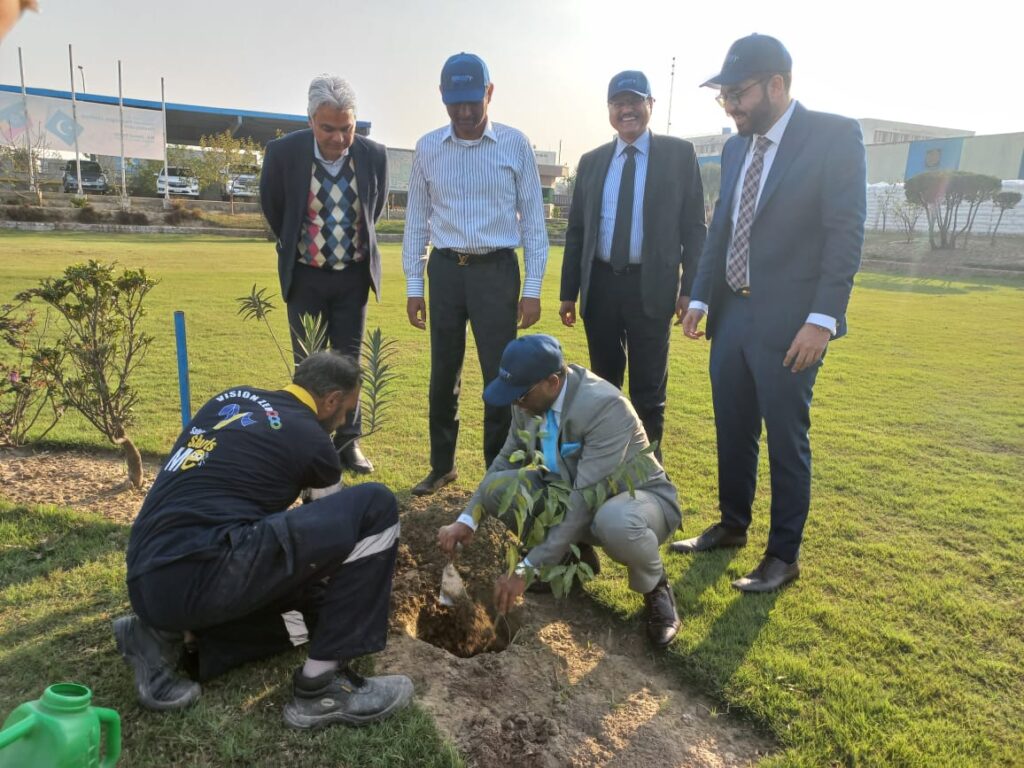
We were thrilled to welcome H.E. Jemal Baker, Ambassador of Ethiopia, to Roshan Packages Limited’s Flexible Plant. During his visit, His Excellency toured the Flexible Plant and expressed his satisfaction with the safety, cleanliness, and modern machinery and met with our top management.
In recognition of the long-lasting friendship between Ethiopia and Pakistan, H.E. Jemal Baker planted a tree at the facility. The planting of the tree is not only a symbol of our commitment to sustainability, but it also reflects Ethiopia’s dedication to building a greener future.
As responsible corporate citizens, we are committed to promoting sustainable business practices and environmental stewardship. We are honored by H.E. Jemal Baker’s gesture and grateful for the opportunity to host him at our plant.
We extend our thanks to H.E. Jemal Baker for his visit, and we look forward to the opportunity to strengthen our relationship with Ethiopia and build a brighter future for all.
Situated in the Somali Peninsula also known as the Horn of Africa, Ethiopia is one of the oldest independent countries in the region. It is also the second most populated country in Africa with a population of around 120 million people. It is host to a variety of vibrant cultures and spectacular natural beauty.
Being a developing country coupled with a post-pandemic crisis, Ethiopia is also facing strong challenges like poverty, the need for development, lack of resources, and environmental degradation. However, it is weathering the storm with utmost persistence. With the peace treaty established with TPLF in the year 2022, the country is steadily making progress as a strong nation.
The Circular Economy is an emergent concept coined by Genevieve Reday and Walter Stahel in 1976 in a report by the name of ‘The Potential for Substituting Manpower for Energy” to the European Commission. It was drawn in the shape of loops to interconnect the idea of an economic model that retained materials in the product cycle for as long as possible. This concept has now gained tremendous momentum from around the world, making it a more practical alternative for linear development.
Linear development is a concept that is based on the idea of a take-use-dispose model. This model has been the root cause of the environmental degradation of our planet for decades. Ethiopia like other responsible countries is incorporating the circular economic approach in its economic activities.
It has in particular taken concrete steps to encourage the usage of sustainable packaging in recent years. In 2019, the Ethiopian government banned the usage of single-use plastics- which still is nearly half of the plastic waste generated globally. The ban comprises of the manufacture, import, and supply of single-use plastic products like luggage, straws, and cutlery.
The Private sector is also playing an active and dominant role in promoting sustainable packaging in Ethiopia. Different innovative alternative solutions are being practiced across different companies. For instance, different packaging companies have introduced biodegradable packaging, made from botanical materials. These materials are renewable with minimal to no negative environmental impacts.
Moreover, they are investing in new innovative technologies that are esthetic, contain high value, and promote resource conservation. One such technology is 3D printing. 3D printing is largely custom-made, by default designed to make packaging as per need, therefore, helping with resource conservation and waste minimization.
The general consumer trend in Ethiopia is also significantly inclined toward using sustainable practices. For instance, jute bags are a common sight there for shopping and general carrying of goods. Also, proper systems are in place to reuse materials like glass bottles. They are collected and made available for consumption in an organized way, which is a perfect example of how Ethiopian consumers and producers have incorporated product circularity into their daily lives.
The demand for green products and packaging has also increased over the years, acting as an external pressure for businesses to incorporate sustainable practices in manufacturing and operations. Balda, A., & Singh, R. In their study ‘Driving Forces towards the Adoption of Sustainable Supply Chain Management Practices: Empirical Evidence from Manufacturing Industries in Ethiopia’ highlighted that higher consumer demand for greener products is acting as a significant driver for companies in Ethiopia to adopt sustainable supply chain practices.
Ethiopia holds immense potential to immerge as a successful circular economy model. With an existing consumer and investor demand for greener products and increased investment in green practices, Ethiopia is set to become an example that other countries can follow for implementing sustainable development goals in their regions.
As consumers become more environmentally conscious, the topic of sustainability in packaging has become an increasingly important conversation for businesses. Not only is sustainable packaging better for the environment, but it can also be beneficial for a brand’s reputation and bottom line.
One of the main reasons for the importance of sustainability in packaging is the impact it has on the environment. Traditional packaging materials, such as plastic and styrofoam, can take hundreds of years to degrade and can harm wildlife and ecosystems. In contrast, sustainable packaging materials, such as corrugated boxes and bioplastics, can be easily recycled or composted and have a much lower environmental impact.
According to a report by the World Wildlife Fund (WWF), the world produces over 300 million tons of plastic annually, with roughly 8 million of that ending up in our oceans. Plastic pollution is a major environmental concern and affects not only marine life but also terrestrial animals, and even human health. As a brand, it is important to understand the impact of your packaging on the environment and take steps to reduce that impact.
Another reason for the importance of sustainability in packaging is the impact it can have on a brand’s reputation. Consumers are becoming more aware of the environmental impact of their purchases and are looking for brands that align with their values. By using sustainable packaging, brands can demonstrate their commitment to environmental responsibility and attract conscious consumers.
According to a survey by Nielsen, 66% of global consumers are willing to pay more for products and services that come from companies that are committed to positive social and environmental impact. As a business, you can tap into this market by investing in sustainable packaging.
Sustainability in packaging can also be beneficial for a brand’s bottom line. Using sustainable packaging materials can help reduce costs associated with packaging materials and disposal. Additionally, by appealing to environmentally conscious consumers, brands can increase sales and gain a competitive advantage.
Corrugated boxes, for instance, are a great sustainable packaging option that can provide protection and cost-saving benefits. Corrugated boxes are made from renewable resources and are 100% recyclable and biodegradable. They are also lightweight and durable, making them an ideal packaging solution for businesses. Furthermore, corrugated boxes can be designed to be reusable, which can further reduce packaging waste and costs.
In conclusion, sustainability in packaging is not only important for the environment but also for the reputation and bottom line of a brand. As consumers become more environmentally conscious, brands that prioritize sustainability in packaging will be at an advantage. Corrugated boxes are a great sustainable packaging option that can provide protection and cost-saving benefits. Brands that invest in sustainable packaging will be able to appeal to environmentally conscious consumers and reduce their environmental impact. By taking action now, you can not only make a positive impact on the environment but also create a competitive advantage for your business.
Roshan Packages Limited is an environmentally friendly company that understands the importance of sustainability for your business. Reach us at info@roshanpackages.com.pk to receive a free packaging consultation.
It has become crystalline to most, if not all peoples, negligible of abode, that pollution has become a substantial degenerative factor to what keeps the modern economy on its feet, natural ecosystems, which is why the establishment of a circular economy is a necessity in the present day. Ironically, nature assists in building up that which ruins its very existence; the current economy. In contemporary terms, we accumulate resources from the Earth, create goods from said extracts, and end up throwing them away as waste. What a circular economy aims to do is to stop waste from even being produced. This concept is based on the principles of terminating the fruits of waste, circulating products, and rekindling the international environment.
Firstly, eliminating waste; after making products from raw materials gathered from the Earth, the materials end up being thrown away as waste. Most of this waste is lost in landfills or incinerators. This concept is blind to longevity, as it disregards the finitude of resources we have access to. In order to resolve this issue, we are to view the idea of waste products as a flaw in product design; many products are made to be disposable and created by media that are incapable of being recycled, reused, or composted. Therefore, by simply shifting the design of products and using environmentally-friendly materials in their creation process, we convert the linear notion of the current economy into a circular one by allowing waste to return to the economy rather than remain highly short-lived. For instance, quite a few companies have begun to create edible kitchen utensils and packages to prevent them from being disposed of once they can no longer be used.
The circular economy, hence its name, additionally revolves around the idea of circulating goods. This suggests the maintenance of a material’s utility, whether as a product or as raw material once its product life cycle is at an end. This can be accomplished via numerous methods, including re-manufacturing product components, breaking down product parts into the raw materials initially used in their creation, and composting biodegradable materials. Take, for instance, computers. All computers end up, at some point, becoming outdated or non-operating, however, this does not mean that all the pieces within it, be it the motherboard, CPU, GPU, RAM, etc.. cannot be restored and used in the creation of a separate device. Furthermore, natural resources like wood and coffee grounds can be broken down into their composted nutrients through composting, which can in turn be used to grow more renewable material or even foodstuffs.
Finally, by using regenerative agricultural practices, we may begin to restore nature to its initial thriving state. Our current form of food production is reliant on synthetic fertilizers, pesticides, and fossil fuels, all of which result in pollution, and therefore waste production. Using methods such as agroforestry (growing trees around other crops), we can create habitat models for wild animals that resemble natural ecosystems in order to increase biodiversity and thus allow said habitat to independently thrive. Transitioning to a circular economy would assist greatly in terminating climate change, and would also make it easier to collect raw materials as less space would be required for the extraction to occur.
-Hadi Almanasef, Intern, Roshan Packages Limited
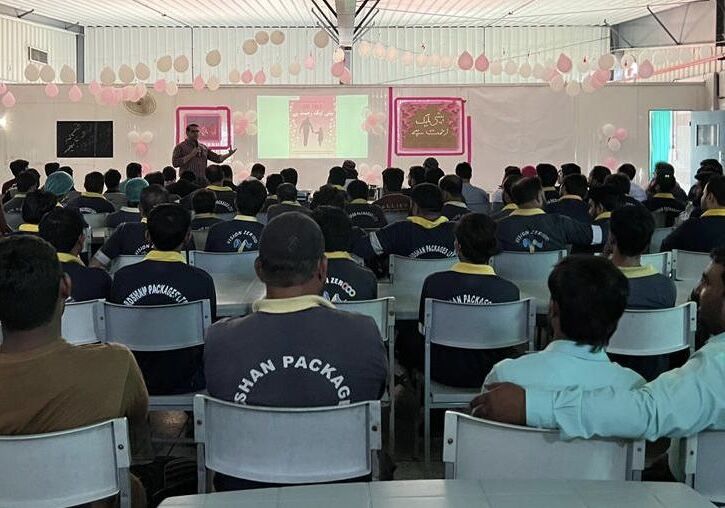
The “International Day of the Girl Child” was celebrated at our Corrugation Plant. The focus of the day was to address the challenges girls face and to promote girls’ importance, education and empowerment.
At Roshan Packages we believe that ending all forms of discrimination against women is an important issue to discuss and acknowledge. Empowering girls is not only a basic human right, but it also has a multiplier effect across all other development areas. We must therefore give girls the tools they need to succeed – and create an environment that allows them to do so.
Participants were really inspired and they vowed to celebrate and invest in a girl’s future.

Dear Shareholders,
As I write this message, we are in the throes of one of the worst natural disasters in our country’s history- its effects only poised to get worse. My team and I are devastated and express our deepest condolences to all those affected. At RPL, we remain committed to serving our nation and people how ever we are able. To this end, we have announced free & subsidized cartons and boxes for NGOs and Organizations wanting to send goods to flood affectees across the region. Moreover, we hope to partner with Organizations in need as the crisis deepens and hope to rebuild a green Pakistan together.
As we try to mitigate the effects of the floods, we must remember that this is the beginning of what is purported to be a series of climate change disasters in the region. A move towards a green circular economy and way of life is the only sustainable solution to an otherwise disastrous future. The months leading up to the floods have not been easy either, Pakistani individuals and companies alike have been managing rising inflation, a tanking currency and import restrictions.
Our raw material, which is recycled paper made using waste from other countries, has thus seen a rapid increase in prices and lack of availability. However, we continue to operate in these uncertain times using our expertise and experience to provide our customers with uninterrupted service. While the economic and physical devastation of our country is deeply worrying it also serves to confirm that the solution lies in a Green Pakistan. Our long term vision has always focused on a Green Circular Economy: using and thus curbing waste to create new products locally. This has allowed us to remain dynamic in response to these challenges, driving us to realize the growth opportunities within a rapidly changing world. We are currently partnering with all stakeholders to meet these challenges as efficiently as possible with the ultimate goal of securing the supply chain and ensuring the delivery of innovative and sustainable solutions.
To realize this green and sustainable vision of growth, we are increasing our investments in our people, digital platforms and sustainable research and design to meet the needs of our resilient FMCG and e-commerce customers. We are thus well positioned to respond to continued macroeconomic and geopolitical challenges as they arise-ready to meet the growing demand for sustainable packaging and driving the way in which customers value packaging. Moreover, I am happy to announce that we are satisfied with our response to numerous difficult challenges during the last year. None of which would have been possible without the commitment, professionalism and flexibility of our employees in these extraordinary times. We consistently aim to delight our customers with our services and that is impossible without our people.
Tayyab Aijaz
Chief Executive Officer
Roshan Packages Limited

Our cover, a crumpled piece of paper surrounded by lush leaves, represents the importance that we as a company place on waste as a solution to climate degradation. In particular, we believe in reusing and recycling waste paper and paper products to create packaging solutions following the principles of a Green Circular Economy.
Pulp and paper is the 3rd largest industrial polluter of air, water, and soil and when it rots, it emits methane gas which is 25 times more toxic than CO2. Moreover, 42% of all global wood harvest is used to make paper i.e. paper production is one of the main causes of deforestation. Worse of all, demand for paper is expected to double before 2030.
However, the solution is simple and has been available for decades: recycling. Recycling 1 tonne of paper saves around 1400 liters of oil, 26,500 liters of water and 17 trees as well as combating pollution and climate change caused by deforestation. In an effort to highlight this solution and the importance RPL places on it, we have chosen this simple yet effective image to represent us this year.
As the climate crisis deepens, we must all, as consumers, producers and individuals, play our part. As companies set ambitious goals to use more recycled content in their packaging, there is more need than ever for partnerships and investments. Together, we must develop the infrastructure and processes that allow us to recover high-quality materials that can be used for recycled packaging, since Pakistan in particular lags behind the world.
In the linear economy, raw natural resources are taken, transformed into products and disposed off. On the other hand, a circular economy model aims to close the gap between the production and the natural ecosystems’ cycles, ultimately eliminating ‘waste’. Companies cannot create a circular economy on their own, and our stakeholders have an important role to play.
Conscious of our contribution to society and the environment, we seek to continually expand our horizons while keeping sustainability and diversity at the heart of our efforts. We hope that along with our stakeholders, we can participate in this program in order to re-use, reduce and recycle, ultimately playing our part in fighting against climate change.
Our strategy to make this a reality is closed-loop recycling model: a process where waste is collected, recycled and then used again to make the same product it came from. To stretch the use of recovered paper as a raw material in papermaking, it is imperative that paper is source segregated and collected from reliable sources. This means that every source plays a crucial part in the paper recycling and paper making process’s success and to achieve high recovery percentages of paper.
Through our collaboration, we hope that the used corrugated boxes we collect from supply chains, will be recycled and turned into new corrugated boxes in our packaging division, creating a real closed-loop solution for our customers. As one of the leading packaging companies in Pakistan, with over 20 years of experience in recycling and waste management, we will try our best to find a way to make 100% of the resources you send us into something useful once more. Thus, reducing waste sent to landfill and reducing the company’s impact on the environment.
Click here to download our Annual Report for 2022
The corrugated industry has seen a rapid transformation in the last century. One of the major development was in the field of adhesives which resulted in achieving remarkable production targets. The history of these developments will help us understand how these transformations assisted the corrugated industry and what are the further required steps for modifications.
At the start of the 20th-century corrugated adhesive used to have high water content as compared to starch. The water to starch ratio was 15:1. These adhesives made a good bond but they had a high water content which was a limiting factor, due to which production speed was restricted to 15-25 feet per minute.
In the second decade of the 20th century, most corrugators switched from starch/flour to silicate soda-based adhesives. These adhesives can be made on corrugator location as well as it could be purchased in ready liquid form. The main benefit of silicate-based adhesives was that they required minimum heat to make a bond. It also assisted in better print quality on corrugated sheets. A major downside to this adhesive is that it increases the wear and tear of corrugating rolls. Another disadvantage is that it increases the weight of the overall corrugated sheet. Still, silicate remained the most used corrugated adhesive for nearly 15-20 years. until 1934, when an individual from the Stein-Hall company named as Jordan C. Bauer introduced a starch-based adhesive that could match performance with speed.
Baurer used a small portion of cooked starch as a carrier to rest the remaining starch suspended. Baurer added some more ingredients such as Borax and caustic soda to control the viscosity and Gel temperature of adhesives. Some Modifications have been made in this process but this starch adhesive is still used in modern corrugators. There have been efforts to introduce cold set and hot melt adhesives corrugated industry but it didn’t prove to be a productive option.
As Corrugators in today’s world run at high speed, it requires a large number of adhesives in a speedy manner. A common practice is to make adhesive on site of operation, this enables timely delivery of adhesive to corrugator.
As a corrugator Engineer, I always maintain the adhesive level on all units of the corrugator. I retain the viscosity and gel point of adhesive because it can lead to serious production loss if any of these parameters is disturbed. I also do iodine tests on my running jobs so that I can ensure the right amount of application on the medium. We also use resin which is a water-resistant solution for some water-resistant corrugated boxes.
-Haseeb Qausim Shift Engineer RPL